
Financial Word of the Day: Quick Ratio
- Larry Jones

- May 12
- 2 min read

Introduction to Quick Ratio
If you’ve ever wondered whether a business could survive a sudden financial emergency, the Quick Ratio helps answer that question.
The Quick Ratio is a financial measurement used to determine whether a company can pay its short-term bills using only its most liquid assets. In plain English, it asks this question: “If money got tight tomorrow, could this business cover its immediate obligations quickly?”
That’s why it’s often called the “Acid-Test Ratio.” It’s a tougher and more realistic financial test than some other measurements because it excludes inventory and focuses only on assets that can quickly be turned into cash.
The Formula for Quick Ratio
Here’s the standard formula:

That may look intimidating at first glance, but it’s actually pretty simple.
The formula includes:
Cash
Money in bank accounts
Investments that can quickly be sold
Accounts receivable (money owed to the business)
Then it compares those assets against:
Bills due soon
Payroll
Short-term loans
Other current obligations
Why the Quick Ratio Matters
The Quick Ratio tells investors, lenders, and business owners whether a company is financially prepared for short-term pressure.
A Quick Ratio of:
1.0 or higher usually means the company is in decent short-term financial shape.
Below 1.0 may indicate potential cash flow problems.
Too high could sometimes mean the company is sitting on too much unused cash instead of investing it wisely.
In other words, it’s not just about survival. It’s about balance.

A Simple Example of Quick Ratio
Let’s say a business has:
$50,000 in cash
$25,000 in accounts receivable
$75,000 in short-term liabilities
Their Quick Ratio would be:
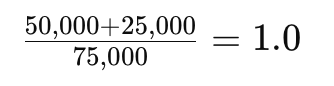
That means the company has exactly enough quick assets to cover its immediate obligations. That’s usually considered a healthy sign.
How Quick Ratio Applies to Everyday Life
Even though the Quick Ratio is technically a business term, the concept applies to personal finances too.
Think about your own financial life:
Could you cover an emergency without selling long-term investments?
Do you have enough accessible cash to survive a temporary setback?
Could you handle a surprise car repair, medical bill, or job interruption?
Many people have assets on paper but very little liquidity. That’s why financial wisdom is not just about building wealth. It’s also about maintaining financial flexibility.
Conversation Starter
You might hear someone say: “The company looks profitable, but their Quick Ratio is weak.”
Translation: They may be making money overall, but they could still struggle to pay bills in the short term.
Final Thought
A strong Quick Ratio doesn’t guarantee long-term success, but it does reveal something important: Financial strength is often measured by preparedness, not just profitability.
Sometimes the businesses — and people — who survive difficult seasons are simply the ones who kept enough accessible resources available when things got tight.


Comments